More companies need to remove barriers, invest in inclusive training and create equal opportunities in tourism – according to the Deputy Prime Minister of Malta speaking at the Accessible Hospitality Alliance launch.
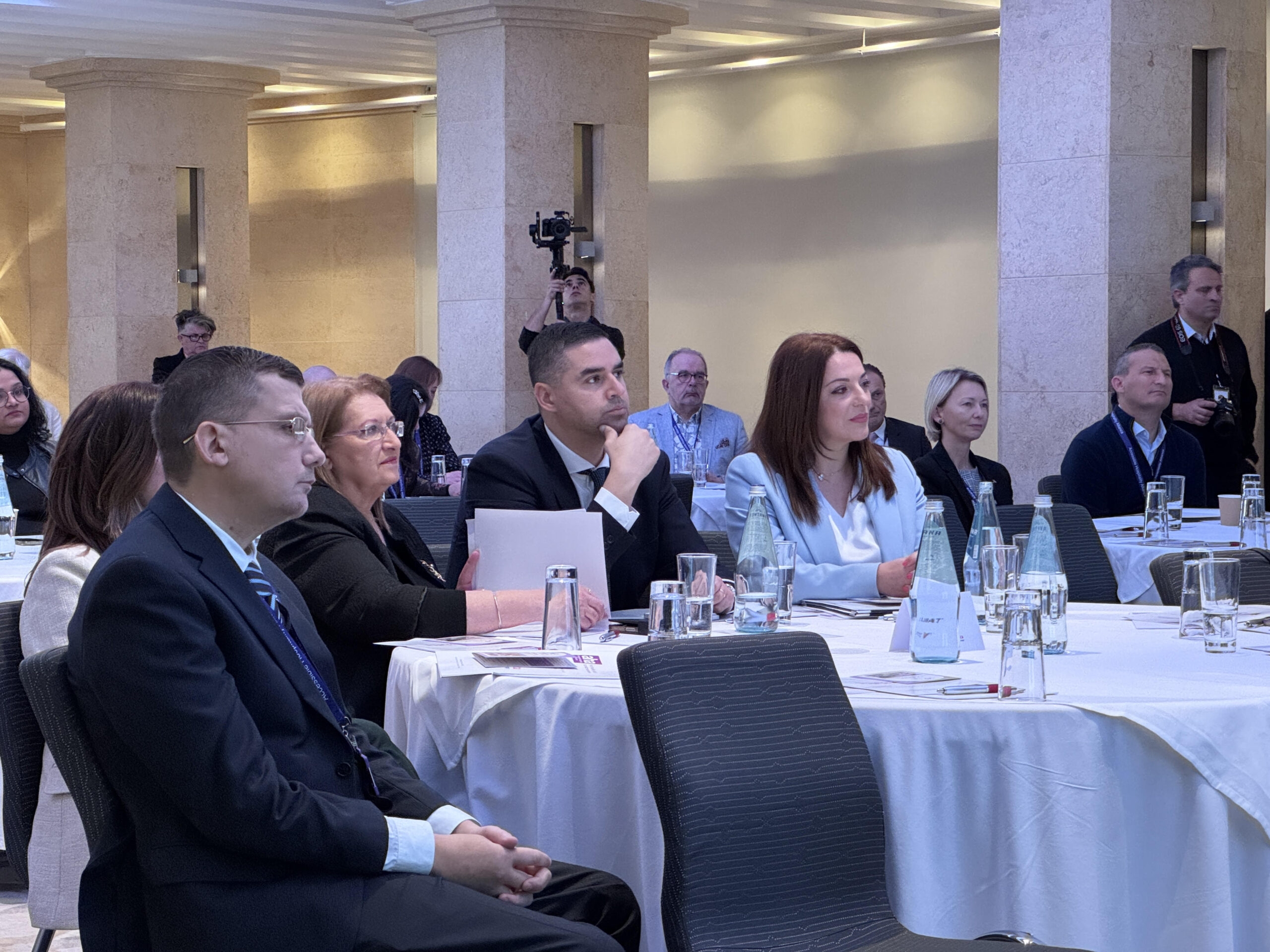
Addressing industry leaders, policymakers and tourism stakeholders at the inaugural forum organised by the Accessible Hospitality Alliance in partnership with VisitMalta, Borg issued a call to action for the tourism and hospitality sector to accelerate efforts to make travel and hospitality more inclusive.
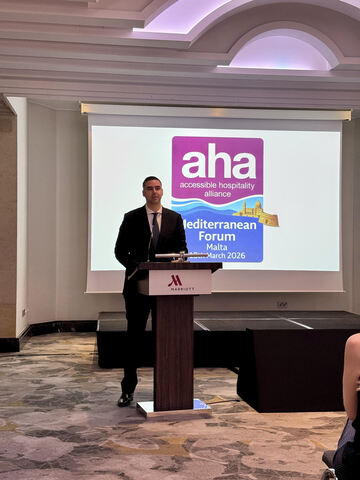
“Accessible tourism is increasingly recognised globally as a game-changer for tourism destinations everywhere,” Borg said. “Apart from being a social responsibility, improving accessibility in tourism is an opportunity for both the destination and the businesses.”
The scale of the opportunity is significant. Across Europe, the accessible tourism market includes an estimated 135 million people, while research shows that more than 70% of the 80 million people with disabilities in the EU are able to travel.
Accessible tourism already generates over €350 billion in tourism turnover across the European Union, highlighting the economic potential for destinations and businesses that invest in inclusive infrastructure and services.
Borg said businesses that prioritise accessibility also benefit internally by building stronger and more diverse teams.
“From a business point of view, focusing on accessible employment can help develop a more diverse workforce that is more innovative and creative, while also helping bridge skills gaps,” he said. “This in turn improves customer satisfaction and enhances brand reputation.”
He also stressed the importance of ensuring people with disabilities are supported into meaningful employment within the tourism and hospitality sector.
“We must continue our efforts to provide the appropriate framework to ensure that those who are usually sidelined are equipped with the necessary skills and supported into meaningful employment,” Borg said.
Among the initiatives highlighted during the forum was a collaboration between the Institute of Tourism Studies (Malta) and the Malta Trust Foundation to develop a disability-inclusive training centre featuring a fully operational training restaurant and cafeteria delivering structured programmes in hospitality, catering and essential industry skills.
Malta has also taken steps to strengthen accessibility across its tourism ecosystem. Through initiatives led by the Malta Tourism Authority in collaboration with the Commission for the Rights of Persons with Disability, more information is now available to visitors about accessible attractions, beaches, accommodation, restaurants, transport and airport facilities across the country.
Borg emphasised that creating a truly inclusive tourism experience goes beyond physical infrastructure and requires awareness and training across the hospitality workforce.
“A truly inclusive experience means raising awareness amongst our workforce and providing opportunities and training that help them better understand our visitors,” he said.
He also highlighted the importance of recognising mobility as a right.
“We also look at accessibility in terms of mobility as a right and not a favour,” Borg said. “Our public buildings, our accommodation, our restaurants, our attractions and our beaches are becoming increasingly accessible to all.”
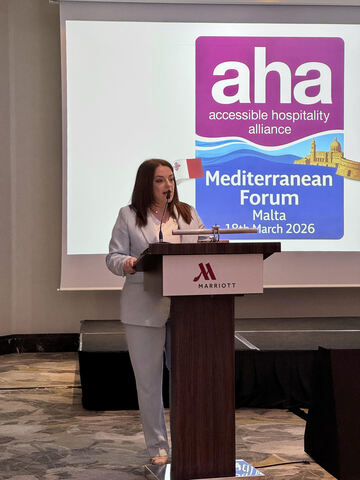
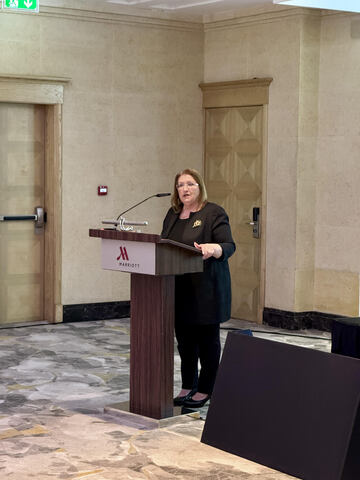
Also speaking at the event was Julia Farrugia, Minister for Inclusion and Voluntary Sector, Government of Malta, who said: “Accessible hospitality must become a core standard within Malta’s tourism sector, rather than an optional add-on.”
Addressing the Accessible Hospitality Alliance Conference 2026, she highlighted that removing barriers in infrastructure, services, and attitudes is essential to ensure persons with disabilities can fully participate in tourism and society.
The Minister added that: “Accessibility is not only a social responsibility but also a smart economic opportunity, pointing out that globally over one billion persons live with disabilities, alongside a further two billion family members, spouses, and caregivers directly impacted by accessibility. With around 10% of Malta’s population living with some form of disability, continued investment in inclusive infrastructure, services, and employment initiatives will further strengthen Malta’s position as a truly accessible and inclusive tourism destination.”
H.E. Marie-Louise Coleiro Preca, President Emeritus of Malta, was also present at the event. She said: “Accessible hospitality is not about charity. Accessibility is all about human dignity and it is all about smart economics.”
Shawn Pisani, Vice-President, Helmsbriscoe, and Accessible Hospitality Alliance Malta Lead, added: “It was fantastic to see so many people come together to discuss what is a hugely important issue for the sector. Seeing so many dignitaries and leaders from across industries collaborate in the way that they have really demonstrates the desire and willingness to build a community that wants to make a difference.”
The Accessible Hospitality Alliance Mediterranean Forum brings together hospitality leaders, tourism organisations and accessibility advocates from across the Mediterranean to explore practical solutions to make travel and hospitality more inclusive. Discussions focus on improving physical accessibility, developing inclusive training programmes and sharing best practices that support visitors with diverse access needs.
The Deputy Prime Minister concluded by encouraging continued collaboration across the tourism ecosystem.
“Accessible tourism is about creating a universal and safe environment for both employees and visitors; it is about creating equal opportunities; it is about creating a tourism environment that is for all,” he said. “I urge the tourism community to continue working towards this aim so that together we can find better solutions.
“What the Accessible Hospitality Alliance has done is fantastic and really helped to raise awareness of an incredibly important matter for the country.”
The Accessible Hospitality Alliance Mediterranean Forum aims to accelerate progress towards a more inclusive hospitality industry by bringing together stakeholders committed to improving accessibility standards and sharing best practices across destinations.